
Gastroenterology Treatments in Kolkata
Targeted Treatment for Persistent Digestive Problems
Persistent digestive problems can quietly affect comfort, appetite, and everyday well-being. Across Kolkata (and beyond), Dr Abhishek Banerjee offers precise gastroenterology treatments, focusing on targeted diagnosis and specialised care to identify the cause and restore lasting digestive balance.
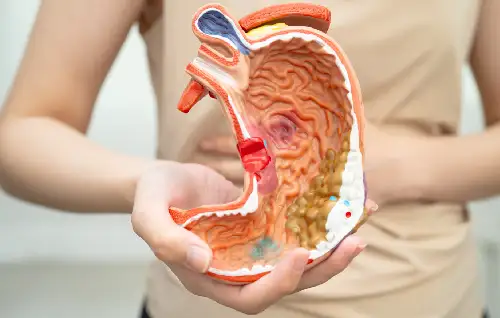
Acid Reflux / GERD
Frequent heartburn, chest burn or a sour taste after meals isn't just discomfort — it's your body signalling a problem. Left untreated, chronic acid reflux can damage the oesophagus lining. Early diagnosis and structured management can effectively prevent long-term complications.
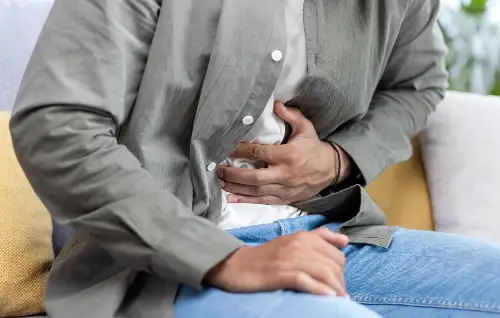

Peptic Ulcer Disease
Burning stomach pain, nausea or bloating after eating are classic signs of peptic ulcers. Caused by H. pylori infection or prolonged NSAID use, these open sores in the stomach lining require prompt, accurate treatment to heal completely and prevent recurrence.
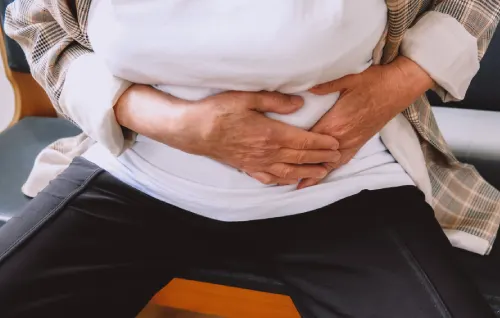

Irritable Bowel Syndrome (IBS)
IBS is more than an upset stomach — it's a chronic condition causing abdominal cramps, bloating, diarrhoea or constipation that significantly impacts daily life. With the right diagnosis and personalised management plan, symptoms can be effectively controlled and quality of life restored.


Constipation/Diarrhoea
Persistent constipation or frequent loose stools are rarely just dietary issues. They can indicate underlying conditions ranging from IBS and IBD to infections or structural problems. Accurate diagnosis is essential before any long-term treatment plan is put in place.
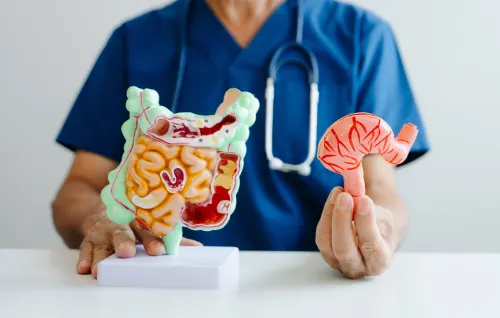

Inflammatory Bowel Disease (IBD)
IBD — including Crohn's Disease and Ulcerative Colitis — causes chronic inflammation of the digestive tract, leading to severe abdominal pain, rectal bleeding and weight loss. Early specialist intervention is critical to managing flares, preventing complications and protecting long-term gut health.
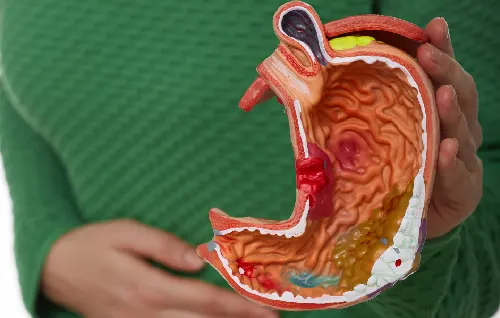

Dyspepsia
Persistent indigestion, upper abdominal discomfort or a feeling of fullness after small meals should never be ignored. Dyspepsia can be functional or linked to underlying conditions like gastritis or ulcers. A thorough evaluation ensures the right diagnosis and targeted relief.
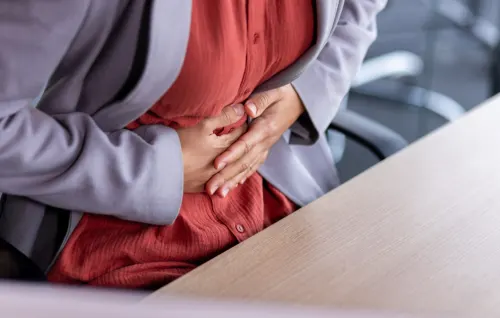

Pancreatitis
Sudden, severe upper abdominal pain radiating to the back — especially after a fatty meal or alcohol — may indicate pancreatitis. Both acute and chronic forms require immediate specialist attention to prevent serious complications, including pancreatic damage and digestive enzyme dysfunction.


Gallstone & Bile Duct
Stone
Gallstones can silently exist for years before triggering sudden, intense abdominal pain, nausea or jaundice. When stones migrate to the bile duct, they require urgent intervention. ERCP is a highly effective, minimally invasive procedure for removing bile duct stones with precision.
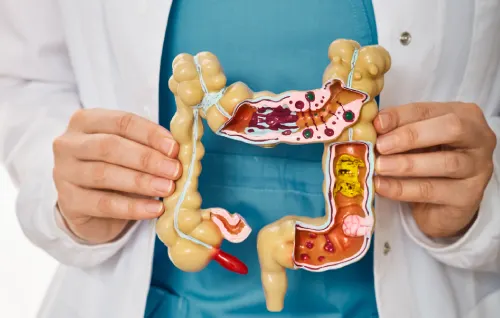

Gastrointestinal
Polyps
Most GI polyps cause no symptoms — making routine colonoscopy screening essential. While many polyps are benign, certain types carry a risk of developing into colorectal cancer if left undetected. Early identification and removal during colonoscopy significantly reduces that risk.

Gastrointestinal Bleeding
Blood in the stool, vomiting blood, or black tarry stools demand immediate medical attention. GI bleeding can originate anywhere in the digestive tract and may indicate ulcers, polyps, IBD or malignancy. Urgent endoscopic evaluation is the most reliable way to identify and treat the source.
PATIENT TESTIMONIALS
Trusted by Patients. Proven Through Their Experiences
Real stories from people who placed their digestive and liver health in expert hands. Their recovery journeys reflect the trust, care, and clinical precision they experienced.
Good

Samapti Louha
Good doctor

Rakesh Adhikari
Visit only 2 times now I am ok

Mousumi Goswami
Good
Malay Sarkar
Good
Sen Salil
Good