
ERCP in Kolkata
Diagnostic Procedures

Need Any Help ?
8910186497
Minimally Invasive ERCP: An Overview
Persistent abdominal pain, jaundice or recurrent pancreatitis can often point to a problem within the bile ducts or pancreatic duct — conditions that demand both precision and specialist expertise. ERCP is an advanced minimally invasive biliary procedure that combines endoscopy with real-time fluoroscopic imaging to achieve what conventional scans cannot — direct visualisation and simultaneous treatment of bile duct and pancreatic duct disorders.
Through endoscopic retrograde cholangiopancreatography, Dr Abhishek Banerjee delivers accurate diagnosis and targeted intervention — so patients can avoid open surgery and move toward faster, safer recovery.
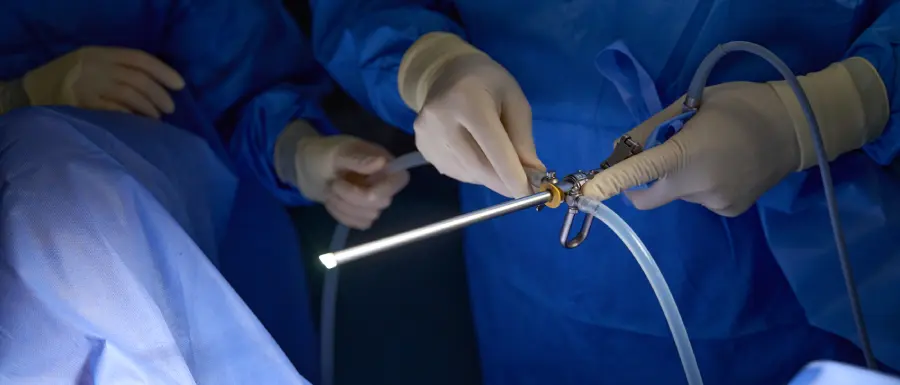
Explaining ERCP
The ERCP procedure addresses the diagnosis and treatment of bile duct and pancreatic duct disorders — conditions causing obstructive jaundice, recurrent abdominal pain, pancreatitis and biliary infections.
Beyond diagnosis, ERCP enables removal of bile duct stones using ERCP, relief of bile duct blockage and strictures through stenting or balloon dilation, and endoscopic treatment of gallstones in the bile duct — all within a single procedure, without open surgery.
For patients requiring bile duct stone removal by ERCP, early consultation with Dr Abhishek Banerjee is crucial.
Dr Abhishek Banerjee's ERCP Approach
ERCP is one of the most technically demanding procedures in gastroenterology — and the experience of the performing specialist directly determines its safety and success.
Dr Abhishek Banerjee brings rare procedural depth to every ERCP procedure he performs. As a trusted ERCP specialist and DM-qualified gastroenterologist with over 16 years of experience, he performs pancreatic and bile duct endoscopy across Kolkata's leading hospitals.
Expert Care You Can Rely On
Every ERCP performed by Dr Abhishek Banerjee prioritises procedural precision, patient safety and complete post-procedure clarity. From the initial consultation through to recovery, you are guided at every step — ensuring the process feels informed, supported and reassuring.
What To Expect
Investigation of obstructive jaundice and bile duct blockage
Removal of the bile duct and gallstones, causing pain or infection
Treatment of bile duct strictures through stenting or dilation
Diagnosis and management of pancreatic duct disorders
Evaluation of recurrent pancreatitis with no clear cause
Biliary drainage in cases of infection or cholangitis
Post-cholecystectomy bile duct complications requiring endoscopic correction
Dr Abhishek Banerjee offers timely ERCP in Kolkata to accurately diagnose and treat complex bile duct and pancreatic conditions
Frequently Asked Questions
What symptoms indicate you may need ERCP?
ERCP is recommended for obstructive jaundice, bile duct stones, recurrent pancreatitis, bile duct strictures, or suspected pancreatic duct disorders requiring both diagnosis and endoscopic treatment.
What diseases can ERCP diagnose or treat?
Endoscopic retrograde cholangiopancreatography helps diagnose and treat bile duct stones, strictures, blockages, cholangitis, pancreatic duct disorders, and post-surgical biliary complications without open surgery.
Is ERCP safe, and how comfortable is the procedure?
The ERCP procedure is performed under sedation. Though there is a small risk of pancreatitis or infection, it remains a safe and effective intervention in experienced hands.
How long does ERCP take, and is a hospital stay required?
ERCP typically takes 30–60 minutes, and most patients are discharged the same day after brief observation.
What preparation is required before ERCP?
Patients must fast for 6–8 hours and follow pre-procedure instructions, including the care team's medication guidance.
PATIENT TESTIMONIALS
Trusted by Patients. Proven Through Their Experiences
Real stories from people who placed their digestive and liver health in expert hands. Their recovery journeys reflect the trust, care, and clinical precision they experienced.
Good

Samapti Louha
Good doctor

Rakesh Adhikari
Visit only 2 times now I am ok

Mousumi Goswami
Good
Malay Sarkar
Good
Sen Salil
Good